
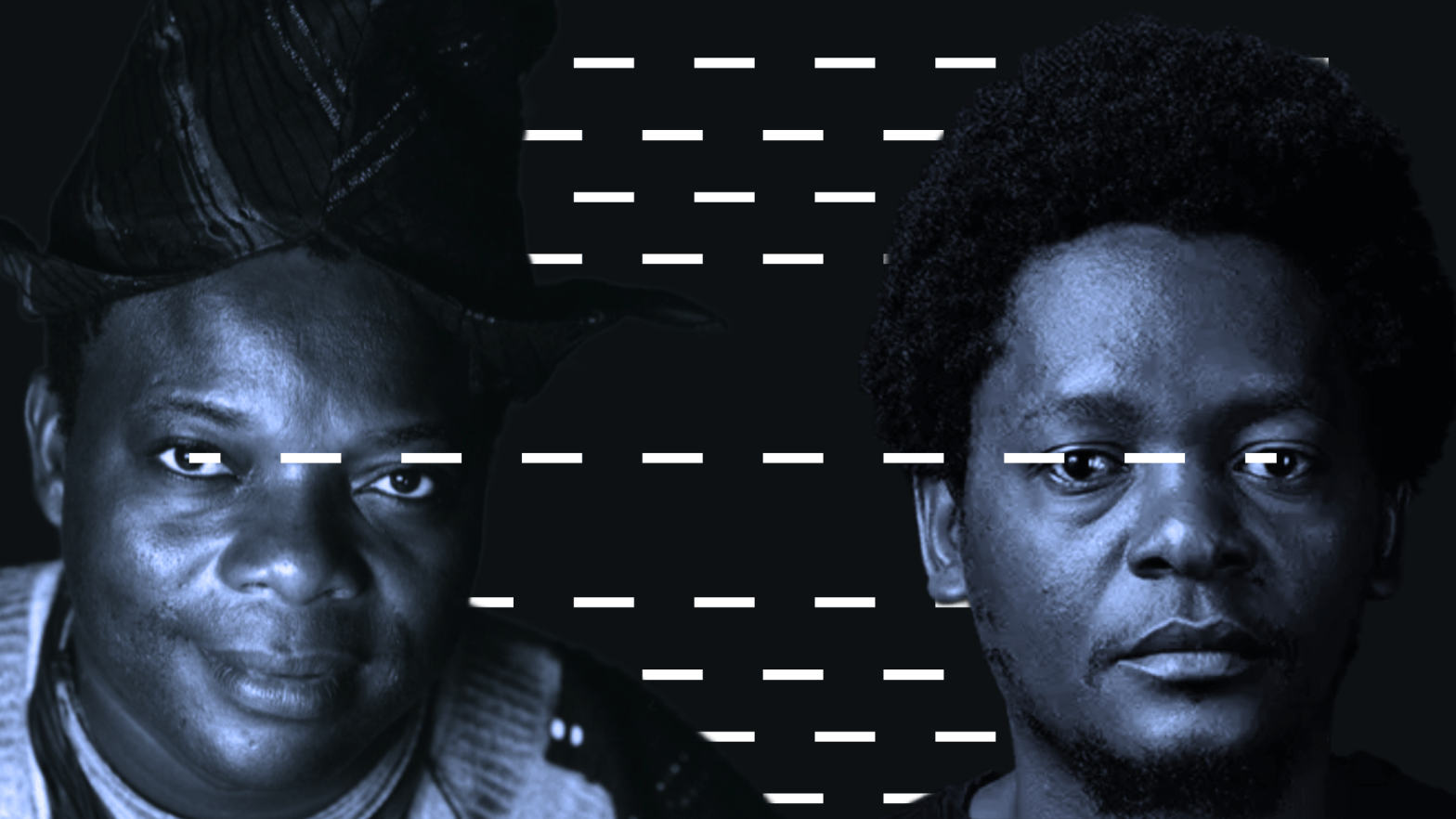
Across Africa there is a waste problem. Ironically it’s not a problem created in Africa. According to an article by Gilbert Moyen Massa entitled, An Imported Environmental Crisis: Plastic Mismanagement in Africa African countries don’t create, and barely use the plastics that litter the land and water throughout the Continent. The lion’s share of it comes from Europe and the US in the form of “recycled” clothing and plastic feedstock.
Trash management seems to be an ongoing challenge for several reasons. As a result there are many resilient and creative African artists who may have had limited access to traditional art materials but are able to see something in the rubbish around them that results inspiring works of art. Today I focus on two of these artist from diverging generations.
Cyrus Kabiru
Born 1984, this artist didn’t need glasses to have vision. His father would upcycle found objects, transforming them into functional items for the household. Cyrus began creating his ornate eyewear out of metal scraps like wires and bottle tops as a child in Nairobi, Kenya. He would search the largest dumping ground in Nairobi for materials. This dumping ground was right next door to his home.
These creations are recognized as wearable sculptures that evoke fantasies of Afro-futurism. He has said of his eyewear, “They’re not for seeing better; they’re for seeing different. His collection of eyewear called C – Stunners, are not the only thing he makes. He now includes masks and bicycles and other inspirations.
The self-taught artist has soared to great heights. He’s had the opportunity to exhibit all over the world along with a long list of other accomplishments. You can find his work in M&C Saatchi Abel Contemporary Art Collection (South Africa), and The Studio Museum in Harlem (US). One of his radios has been acquired by the Met Museum in New York City (US).
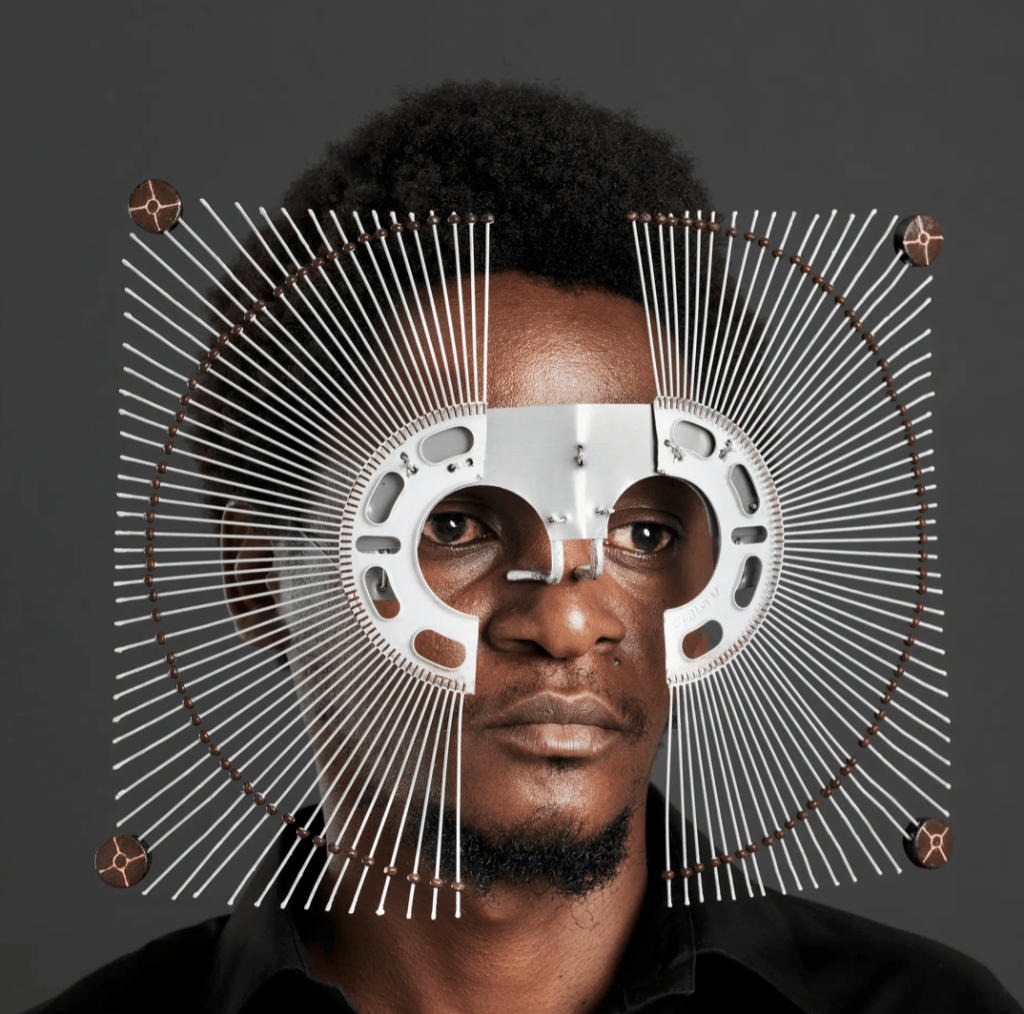
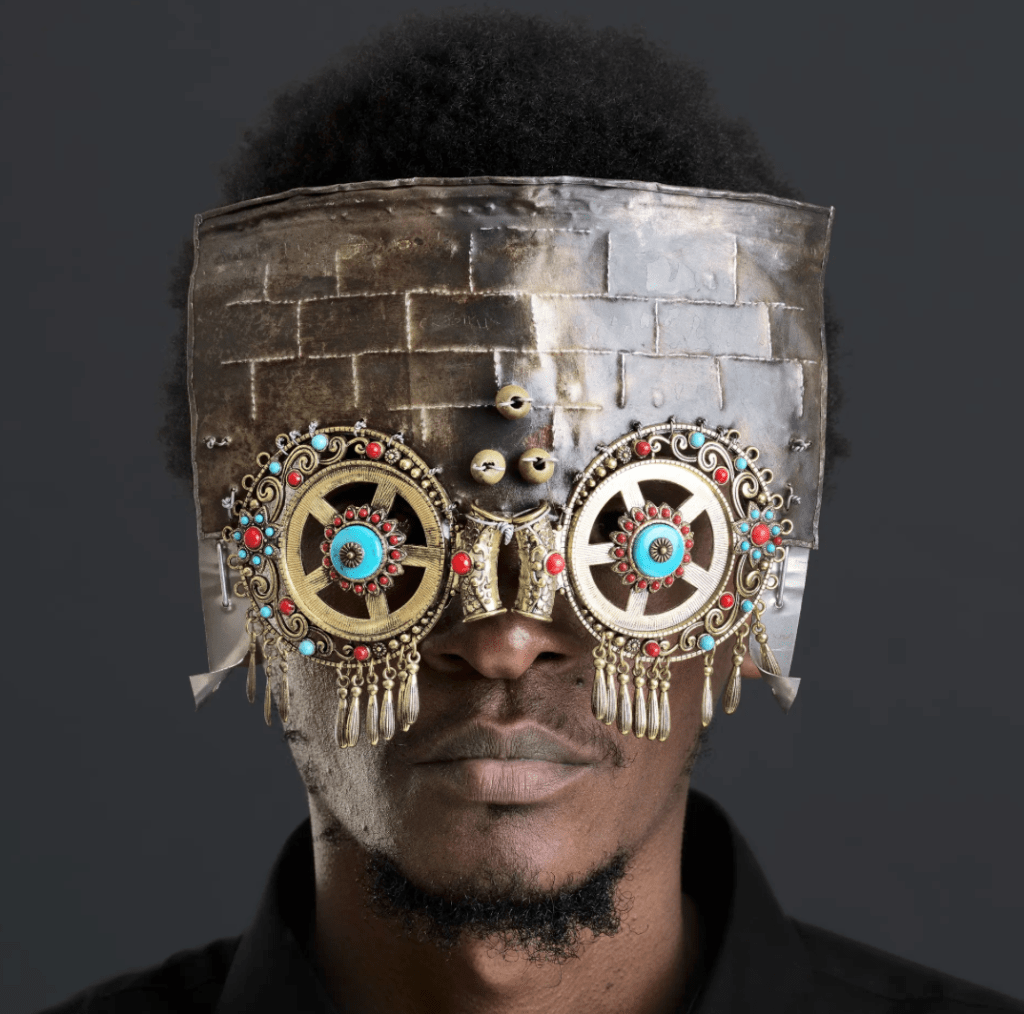
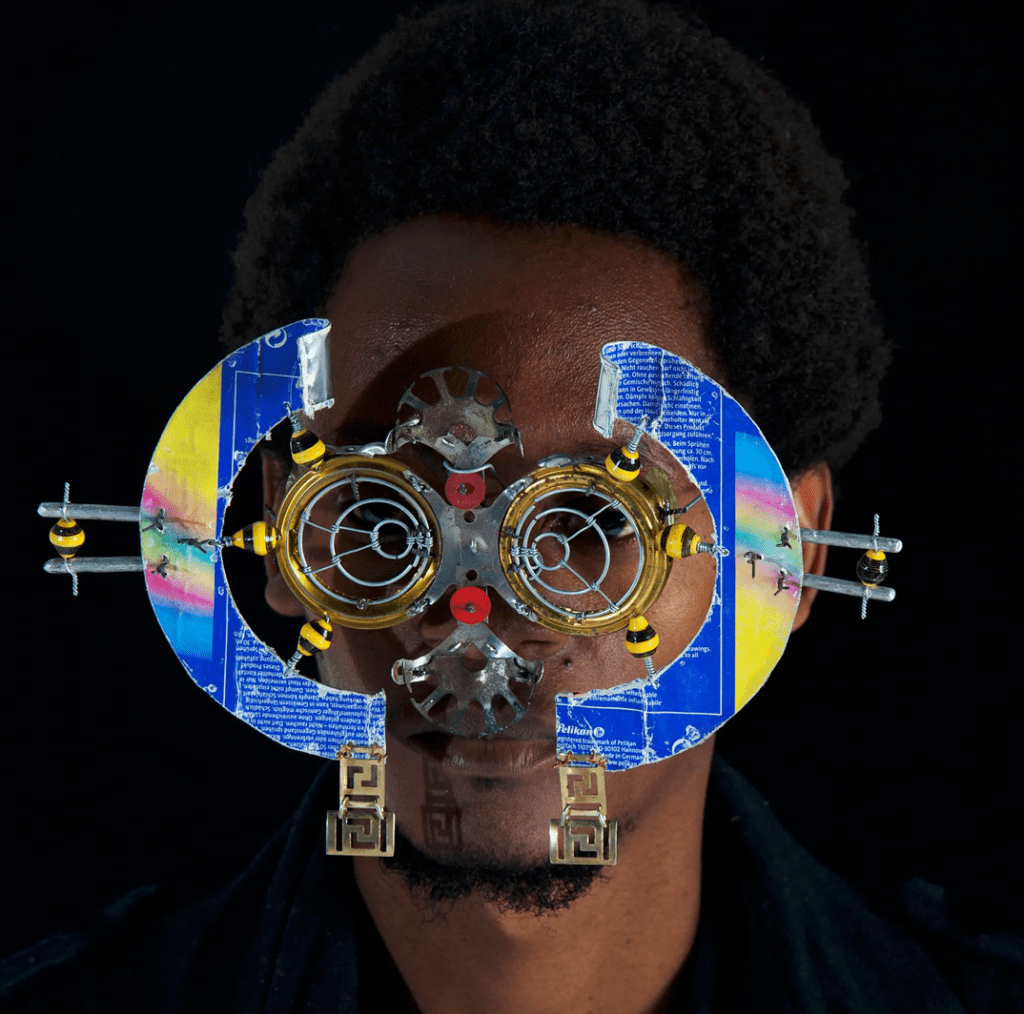
images credit Tony Meintjes © Cyrus Kabiru
Romuald Hazoumè
Born 1962, Romuald Hazoumè is a Yoruba artist and sculptor, from the Republic of Bénin. His main materials are plastic gasoline containers. He is best known for his work La Bouche du Roi, acquired by the British Museum, a reworking of the 1789 image of the slave ship Brookes.
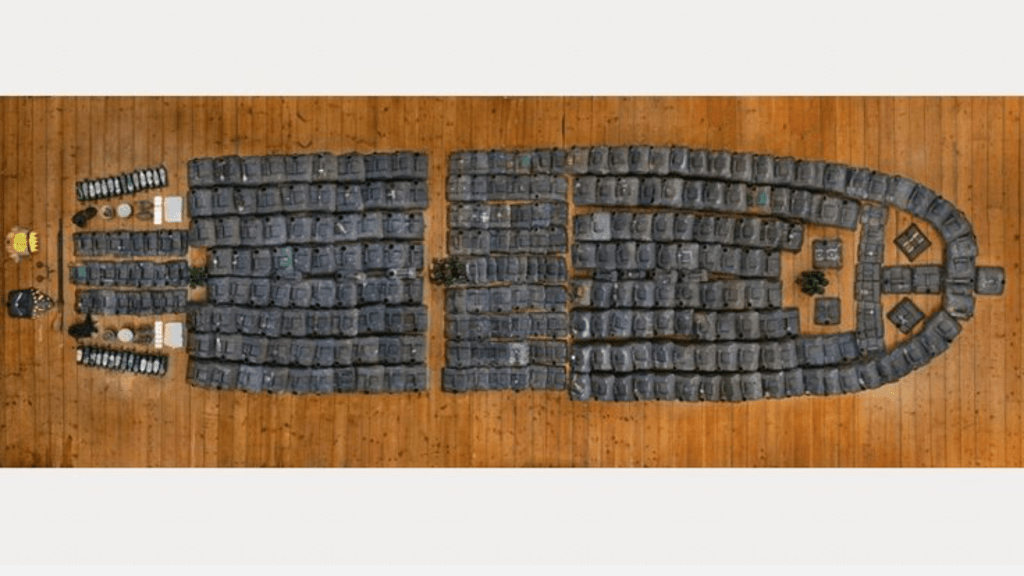
La Bouche du Roi. Image credit Romuald Hazoumè
Hazoumè is also known for his series of mask-like sculptures. His work highlights themes of waste and consumerism while referencing his heritage.
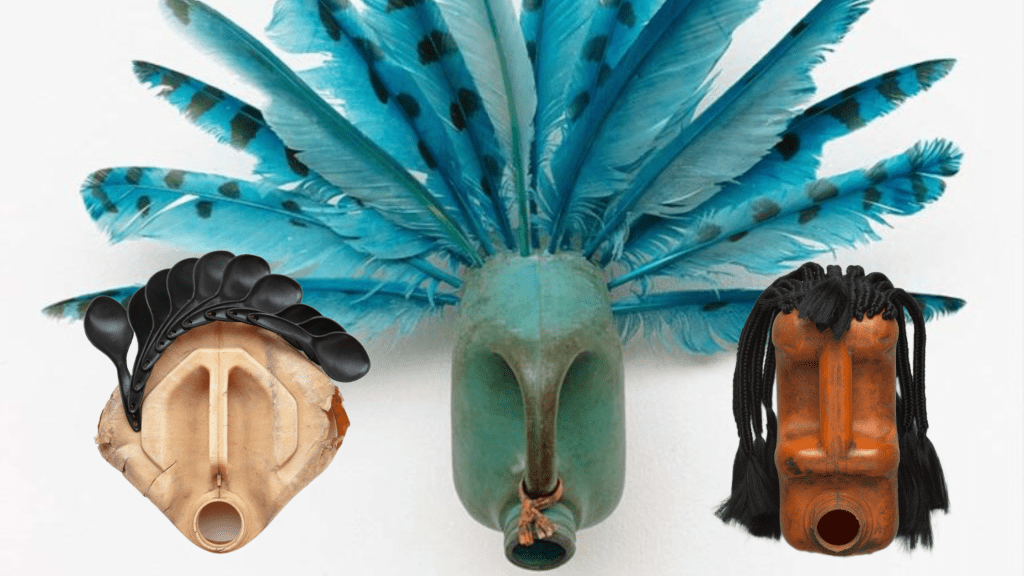
(left to right) Napo; Kind of Blue; Fiegnon. Image credit Romuald Hazoumè
He possesses a remarkable ability to articulate his work and the profound messages it carries. In the videos below he shares his insights in his own words in this in depth interview he gave for QAGOMA. The title of the interview is, “Romuald Hazoumè introduces his recycled masks”
Romuald Hazoumè explains his political work “Exit Ball” in this interview with the Fondation Louis Vuitton.
Creativity can not be limited by age or a lack of resources. Be inspired. Look at what’s around you closely, free your mind, and play. You may surprise yourself with what you can create.
Follow us on Instagram
 Remnants Magazine